Tips
Laravel Performance Optimization Tips

L
Laravel Guru
5 min read
LaravelPerformanceOptimization
Laravel Performance Optimization Tips
Performance is crucial for any web application. Here are proven techniques to optimize your Laravel applications for better speed and efficiency.
Database Optimization
Use Database Indexes
Proper indexing can dramatically improve query performance:
// In your migration Schema::table('posts', function (Blueprint $table) { $table->index('status'); $table->index(['category', 'published_at']); });
Optimize Eloquent Queries
// Use select() to limit columns $posts = Post::select('id', 'title', 'slug')->get(); // Use chunk() for large datasets Post::chunk(100, function ($posts) { foreach ($posts as $post) { // Process post } });
Caching Strategies
Query Result Caching
$posts = Cache::remember('posts.featured', 3600, function () { return Post::where('featured', true)->get(); });
View Caching
// Cache expensive view calculations $stats = Cache::remember('dashboard.stats', 1800, function () { return [ 'total_posts' => Post::count(), 'total_users' => User::count(), 'monthly_views' => Post::sum('views'), ]; });
Configuration Optimization
Config Caching
php artisan config:cache php artisan route:cache php artisan view:cache
Optimize Composer Autoloader
composer install --optimize-autoloader --no-dev
Queue Optimization
Move heavy tasks to background jobs:
// Instead of processing immediately Mail::to($user)->send(new WelcomeEmail()); // Queue the job Mail::to($user)->queue(new WelcomeEmail());
These optimizations can significantly improve your Laravel application's performance!
Related Posts

Tips
Laravel Security Best Practices
Essential security practices to protect your Laravel applications from common vulnerabilities and attacks.
LaravelSecurityBest Practices
By Laravel Guru
9 min read
Tips
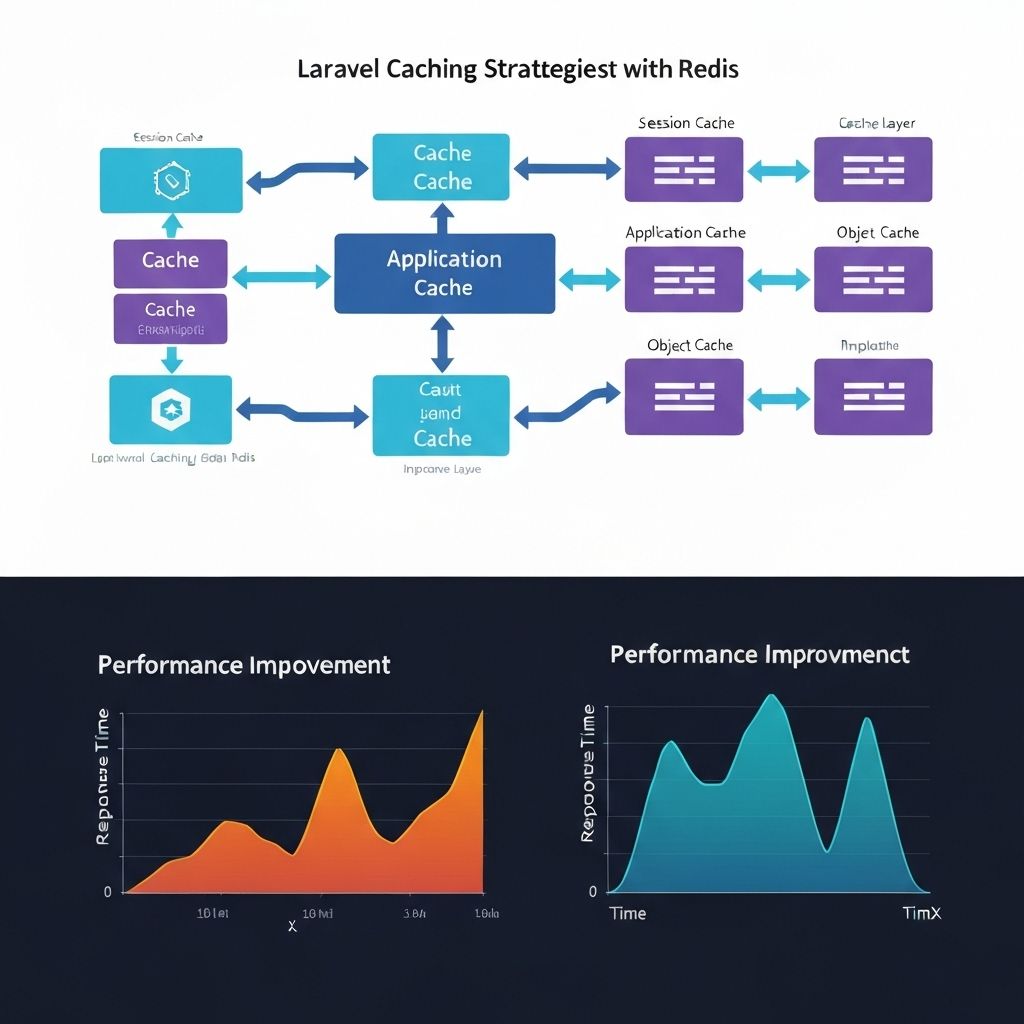
Laravel Caching Strategies for High Performance
Implement advanced caching strategies in Laravel to dramatically improve application performance and reduce database load.
LaravelCachingPerformanceRedis
By Laravel Guru
8 min read